






- Pest Insights
- 12 April 2024
Why Ants Invade UAE Kitchens — and How to Actually Stop Them
Ants don't come from dirt — they follow a scent trail to a reliable food source. Spraying the line you can see just splits the colony. Here's how to find the nest and clear it for good.
On this page
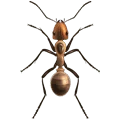
A line of ants across your kitchen counter isn’t a sign of dirt — it’s a sign that a few scout ants found food and laid a scent trail back to the nest. The ants you see are foragers; the colony — and the queen who keeps producing them — is hidden somewhere nearby, which is exactly why spraying the visible trail never ends the problem. Once you understand how the trail works, the right fix becomes obvious.
Why are there suddenly ants in my kitchen?
Ants don’t wander in at random. A handful of scouts explore constantly, and the moment one finds a reliable food or water source, it returns to the nest laying down a chemical (pheromone) trail. Every ant that follows reinforces that trail — which is why one ant becomes a marching column within a day.
In UAE homes, the draw is almost always one of these:
- Sugar and grease residue — a sticky spot behind the kettle, syrup on a jar lid, crumbs under the toaster.
- Pet food left down — a bowl of kibble is a 24-hour buffet.
- Water — in Dubai’s dry indoor air, ants are often after moisture as much as food, which is why you see them around sinks, dishwashers and AC drip points.
- An entry route — a gap under a door, a window seal, or a crack where plumbing or cabling enters the wall.
Because of the heat, ant pressure is highest from spring through the long summer, when colonies are most active and forage indoors to escape the dry ground outside. Our seasonal pest calendar shows how this tracks across the year.
Why does spraying the trail make it worse?
This is the single most common mistake. You see the line, you hit it with a shop-bought aerosol, and the ants on the counter die. It feels like a win — for about two days.
Here’s what actually happens. The spray kills the foragers, which is a tiny fraction of the colony. It never reaches the queen or the brood. Worse, many ant species respond to a chemical threat by budding — the colony splits and relocates part of its population, sometimes establishing a second nest. So you can turn one trail into two, and now the ants are entering by routes you can’t see. It’s the same scatter effect that makes cockroaches harder to clear after spraying.
You haven’t removed the colony. You’ve only removed the messengers — and stressed the colony into spreading.
Spray vs bait: what’s the real difference?
| Over-the-counter spray | Professional gel bait | |
|---|---|---|
| What it kills | The ants you can see (foragers) | The whole colony, queen included |
| How it works | Contact poison on the surface | Foragers carry bait back and share it |
| Effect on the nest | None — can cause it to split | Collapses the nest from the inside |
| How long it lasts | Days, until the trail rebuilds | Weeks, catching new foragers |
| Smell / residue | Chemical drift across the kitchen | Discreet, targeted placements |
Bait works with the ants’ behaviour instead of against it. A slow-acting bait is carried home and fed to the queen and brood through the colony’s normal food-sharing before it takes effect — so the nest dies where it lives. Professional ant control is built around correctly identifying the species and matching the bait (sweet vs protein/grease) to what that colony is actually foraging for, which is why a generic supermarket bait station often gets ignored.
How do I keep ants out for good?
Bait clears the colony; the steps below stop the next one moving in. Treat them as routine, not a one-off:
- Cut off the food. Wipe counters with a little vinegar solution (it also disrupts the scent trail), store sugar, cereal and honey in sealed containers, and take bins out nightly.
- Lift pet bowls between meals, or stand them in a shallow tray of water.
- Chase the moisture. Fix dripping taps, dry the sink at night, and wipe down the AC drip area.
- Seal the doors in. Caulk gaps around skirting, plumbing penetrations and window frames; fit a brush seal under external doors.
- Don’t follow the trail with a sponge alone — wiping removes the current scent, but if the food source remains, scouts will re-lay it within hours.
This matters more in some homes than others. Ground-floor and garden-facing units bring ants in from outside, so villa kitchens and outdoor areas usually need a perimeter treatment around the building as well as indoor baiting. In apartments, the route is more often a shared wall cavity or a service riser — which is why a neighbour’s untreated unit can keep re-supplying yours.
When should you call a professional?
Call in help when the trail keeps coming back despite a clean kitchen, when you find ants in more than one room (a sign the nest has budded), when they’re nesting in a wall void or under floor tiles you can’t reach, or when you’re dealing with biting ants around children or pets. A technician identifies the species, places the right bait at the active points, and treats the outdoor source — and the products used are safe for kids and pets once dry.
Frequently asked questions
Why do ants keep coming back even when my kitchen is spotless? Because they’re usually after water, not just food — or the trail leads to a nest outdoors that’s sending fresh foragers in. A clean kitchen reduces the draw but doesn’t remove the colony. Bait does.
Are the ant baits used by professionals safe around children and pets? Yes. The products are placed in cracks, corners and voids out of reach, and are safe for households with kids and pets once applied. This is the standard across our pet-safe and child-safe treatments.
How long does it take for ant bait to work? You’ll often see more ants for a day or two as foragers swarm the bait — that’s the bait being carried back to the nest. Activity then drops off over several days to a couple of weeks as the colony collapses. Resist the urge to spray during this window; it stops the bait reaching the queen.
Do tiny ants and big black ants need different treatment? Often, yes. Different species prefer sweet versus greasy/protein food, nest in different places, and respond to different baits. Matching the bait to the species is exactly why DIY is hit-and-miss — see DIY vs professional pest control.
Stop the trail at the source
If the ants keep marching back, the nest is still active — and the only fix is to treat the colony, not the counter. We identify the species, bait the right points and seal the entry routes, with products safe for your family and pets.
Related reading: Why cockroaches thrive in Dubai homes · What pest control actually costs in Dubai · DIY vs professional pest control