Service · Earwig treatmentLow riskForficula auricularia (order Dermaptera)
Earwig Control across the UAE
The pincers look alarming, but earwigs are harmless to people — they don't crawl into ears and they don't transmit disease. They only become a nuisance when they wander indoors in numbers, especially after rain. Book a free quote and let us seal them out with a treatment backed by a warranty.
Active · Most active through the warm, humid months when outdoor shelter stays damp, Noticeable spikes after rain, when waterlogged hiding spots push them toward buildings
Earwigs are slender, dark brown insects, roughly 12–20 mm long, instantly recognised by the curved pincers (forceps, technically called cerci) at the rear of the body. Let's answer the big question first: the old story that earwigs crawl into your ear and burrow toward the brain is a myth — there is no truth to it. They have no venom, they do not spread disease, and the pincers can deliver only a faint, harmless pinch if you handle one roughly. In the UAE they are an outdoor insect at heart, sheltering by day under mulch, pots, stones and leaf litter where it's cool and damp, and emerging at night to feed. They wander indoors when conditions push them there: searching for moisture in the dry heat, escaping after rain, or simply drawn to exterior lights near doors and windows, then slipping through thresholds and gaps. Inside, they cluster in bathrooms, under sinks and in laundry areas wherever it stays humid. The real damage they cause is in the garden, where they chew ragged, notched holes in seedlings, soft leaves and flower petals. PestMan clears them with a municipality-approved IPM programme — backed by a warranty.
The earwig most people picture — elongated dark reddish-brown body, 12–20 mm long
Distinctive curved pincers at the tail; males curved, females straighter
Hides by day in damp, dark gaps and forages at night for plants and small insects
Harmless to people: no venom, no disease, only a faint pinch at worst
The order Dermaptera (earwigs generally)
02
All earwigs share the signature rear pincers, used for defence, prey and folding the wings
Most have wings tucked away but rarely fly; they prefer to run and hide
A mother earwig guards her eggs and young, which is unusual among insects
Largely a beneficial garden scavenger outdoors — only a problem when numbers spill indoors
How it works
Our treatment process
01
Inspection & Identification
We confirm it's earwigs, then trace the damp outdoor harbourages and indoor entry points driving the sightings. Knowing where they shelter is what makes the treatment hold.
02
Treat & Exclude
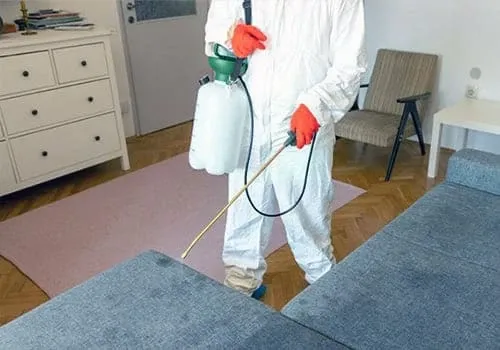
We apply a targeted crack-and-crevice treatment to indoor clusters and an exterior perimeter barrier, then seal thresholds and gaps so wandering earwigs can't get back in.
03
Moisture & Harbourage Advice
We brief you on the moisture and mulch fixes that remove the conditions earwigs depend on — the single biggest lever for keeping them gone.
04
Follow-up & Warranty
We check the result on a return visit and adjust where needed. The programme is backed by a warranty, so call-outs in the covered period are handled for you.
Service tiers
Our earwig services
01
Residential
Apartment and home programmes that clear indoor earwig clusters, seal entry points and advise on the moisture sources drawing them inside — backed by a warranty.
02
Villa & Garden
For villas and landscaped compounds where the source is outdoor mulch and beds — perimeter barrier, harbourage clearance and protection for seedlings and soft plants.
03
Commercial & Hospitality
Hotels, restaurants and facilities with landscaped grounds and lit entrances — scheduled perimeter control and exclusion to keep earwigs out of guest and front-of-house areas.
earwig control guide
Everything you should know
A short, honest field guide — what we look for, how we treat, and how to keep them out for good.
How to identify them
Elongated, flattened body 12–20 mm long, dark reddish-brown to almost black, often with paler legs
Unmistakable curved pincers (forceps) projecting from the rear end — the single clearest ID feature
Pincers are curved and stout on males, straighter and slimmer on females
Fast-moving and quick to scuttle into the nearest crack when a light is switched on
Two thin antennae and a pair of short, leathery wing covers; wings are present but very rarely used to fly
Often found in tight clusters rather than singly, packed into damp gaps and crevices
Signs of infestation
Several earwigs scuttling for cover when you move a pot, stone, mulch or a damp doormat
Clusters tucked into damp, dark spots — under sinks, behind bathroom skirting and in laundry corners
Earwigs gathering around exterior lights, door thresholds and window frames after dark
More sightings indoors after rain or a wash-down, when outdoor shelters get flooded
Notched, ragged holes chewed in the leaves, seedlings and flower petals of garden and balcony plants
Tiny dark droppings in the gaps and crevices where they shelter during the day
Health & safety risks
Earwigs do NOT crawl into ears or burrow into the brain — this is a myth with no basis; the name is far older than any evidence
No venom and no known role in transmitting disease to humans or pets
The pincers can give a small, harmless pinch at most if an earwig is grabbed or pressed — it rarely breaks skin and needs no treatment
The genuine issues are the nuisance of finding them indoors in numbers and minor cosmetic damage to seedlings and soft garden plants
Where you'll find them
Damp mulch, compost and garden beds around villas and landscaped compounds
Under plant pots, paving slabs, stones and stacked garden items
Bathrooms and en-suites where humidity and condensation collect
Around exterior lighting, porch lamps and illuminated entrances at night
Door and window thresholds, weep holes and gaps where outdoors meets indoors
Under kitchen and utility sinks, and in cupboards near plumbing
Laundry rooms and around washing machines where it stays warm and moist
When they're active
Most active through the warm, humid months when outdoor shelter stays damp
Noticeable spikes after rain, when waterlogged hiding spots push them toward buildings
Through summer they seek moisture and cooler shelter, often moving closer to homes
Drawn indoors at night year-round wherever exterior lighting and indoor moisture coincide
Our treatment approach
Integrated Pest Management (IPM) survey first — locate the damp outdoor harbourages feeding the indoor sightings
Moisture reduction: fix leaks, improve drainage and dry out the bathrooms, laundry and under-sink areas they favour
Clear mulch, leaf litter, plant debris and stacked items away from the base of exterior walls to remove daytime shelter
Seal door and window thresholds, weep holes and service-pipe gaps so wandering earwigs can't slip inside
Targeted crack-and-crevice treatment into the specific gaps and skirting voids where earwigs cluster indoors
Exterior perimeter barrier around the building footprint and entry points to intercept them before they reach the door
Adjust or relocate attractant lighting near entrances so it stops drawing earwigs to thresholds at night
Prevention tips
Keep mulch, compost, leaf litter and potted plants pulled back from the base of exterior walls and doorways
Reduce indoor and garden moisture — fix dripping taps and pipes, and ventilate humid bathrooms and laundry rooms
Seal gaps under doors, around window frames, weep holes and where pipes enter the building
Switch entrance lighting to warmer, less-attractive lamps, or move bright lights away from doors so fewer insects gather there
Water gardens earlier in the day so beds aren't left soaking damp through the night
Lift and check pots, slabs and stored garden items regularly so clusters can't build up unnoticed
Prep & aftercare
Before & after your service
Before your visit
Note where you've actually seen earwigs — which rooms indoors and which beds, pots or lights outdoors — so we can target the survey
Clear stored items, shoes and clutter away from skirting, under sinks and door thresholds for treatment access
Pull potted plants, slabs and garden clutter slightly back from exterior walls and doorways so we can inspect and treat the perimeter
Wipe up standing water and report any leaks under sinks or in bathrooms before the visit
Make sure children's and pets' items are tidied away from the areas to be treated
Leave any visible clusters undisturbed so the technician can see where they are concentrating
After your service
Keep the treated thresholds, skirting gaps and perimeter undisturbed so the residual product can do its job
Stay on top of the moisture fixes — drying out bathrooms, laundry and under-sink areas removes the conditions earwigs need
Keep mulch, leaf litter and potted plants pulled back from exterior walls and entrances
Sweep up any dead earwigs you find over the following days; tailing-off numbers are normal as the treatment works
Avoid washing down treated exterior surfaces immediately, as this can shorten how long the barrier lasts
Tell us if sightings continue — your programme is backed by a warranty and we'll return to reassess
The questions we hear most about earwig control jobs in the UAE.
Do earwigs crawl into your ears?
No — this is a myth, and it's the first thing we reassure UAE clients about. Earwigs do not crawl into people's ears, and they certainly do not burrow into the brain or lay eggs there. The name is centuries old and the scary story stuck, but there is no basis for it. Earwigs are simply looking for dark, damp gaps to hide in, and a sleeping person's ear is of no interest to them.
Are earwigs dangerous, and do they bite?
Earwigs are not dangerous to people or pets. They have no venom and are not known to transmit disease. They don't really bite either; what they have is a pair of rear pincers that can give a small, harmless pinch if you grab or squeeze one, and even that rarely breaks the skin and needs no treatment. The pincers look intimidating, but they're mostly used for defence and handling food, not for attacking humans.
How do I get rid of earwigs in my house?
Earwigs come indoors chasing moisture and shelter, so the lasting fix tackles both the inside and the outside. Reduce indoor humidity and fix leaks in bathrooms, laundry rooms and under sinks; pull mulch, leaf litter and potted plants back from exterior walls; and seal the gaps under doors, around windows and where pipes enter. PestMan combines a targeted indoor crack-and-crevice treatment with an exterior perimeter barrier and exclusion work, using a municipality-approved IPM approach so they're cleared out and kept out — backed by a warranty.
Why do I suddenly have lots of earwigs?
A sudden surge is almost always about moisture and weather. After rain, or when gardens are heavily watered, earwigs' damp outdoor hiding spots get flooded and they move toward buildings in numbers. Bright exterior lights near doors draw them in further, and once a few find a humid spot indoors — under a sink, in a bathroom or laundry — others gather in the same place. It usually signals damp harbourage close to the building, which is exactly what an IPM inspection and treatment targets.
Are earwigs harmful to my garden plants?
They can be, though the damage is usually minor and cosmetic. Earwigs chew small, ragged, notched holes in soft leaves, seedlings and flower petals, which can set back young or delicate plants. On established plants they often do little harm and can even help by eating aphids and other small pests. If earwigs are damaging seedlings or balcony plants in your UAE home, our villa and garden programme protects vulnerable plants while controlling the wider population.
Where do earwigs hide during the day?
Earwigs are nocturnal, so by day they pack themselves into cool, dark, damp gaps. Outdoors that means under mulch, pots, stones, paving slabs and leaf litter; indoors it's bathrooms, under sinks, in laundry areas and behind skirting near plumbing. They come out at night to feed, which is why you often spot them around lit entrances after dark. Finding their daytime harbourage is the key to controlling them, and it's the first thing our technicians map out.
Are the treatments safe for my children and pets?
Yes. PestMan uses municipality-approved products and methods that are safe for children, pets and pregnant residents when used as directed, and much of an earwig programme is physical — sealing gaps, clearing damp harbourage and reducing moisture rather than relying on chemicals alone. Your technician will explain any short re-entry or drying guidance for treated areas on the day, so you know exactly what to expect.
Do you treat earwigs across the UAE, and how fast can you respond?
Yes — PestMan is licensed and municipality-approved, and we service earwig problems across all seven emirates, with a strong base in Dubai. You can request a free quote and expect a roughly 30-minute response during business hours. Every earwig programme is backed by a warranty, so if they reappear within the covered period, we come back and reassess at no extra charge.