





- Commercial
- 16 December 2025
Hotel Pest Control in the UAE: Protecting Your Rating
In hospitality, a single pest sighting becomes a public review. Here's how UAE hotels stay ahead of it — discreet room-by-room audits, F&B compliance and rapid response.
On this page
In hospitality, a pest problem is never just an operational issue — it is a reputational one. A single guest photo of a bed bug or a cockroach in a restaurant becomes a public review that can dent occupancy for months and undo years of brand-building in an afternoon. Protecting a UAE hotel’s rating means running pest control that is proactive, discreet and fully documented: room-by-room audits guests never notice, F&B compliance that satisfies HACCP, rapid response when a complaint lands, and confidential logs that protect the property if a claim is ever made.
Why does one pest sighting cost so much?
For a hotel, the cost of a pest incident has almost nothing to do with the treatment and everything to do with what follows. As a general manager or facilities lead, the exposure is asymmetric:
- Reviews are permanent and public. A bed bug complaint on a booking platform or review site stays visible to every future guest and weighs heavily in ranking algorithms.
- Occupancy is sensitive to ratings. A drop in review score feeds directly into search visibility and the rate you can command — the damage compounds long after the room is treated.
- Refunds, comps and claims escalate fast. One incident can mean a refunded stay, comped nights, a laundering bill and, in the worst case, a formal compensation claim.
- Classification and licensing are at stake. DTCM/DCT hotel classification and municipality food-safety oversight both expect a controlled, documented pest programme behind the scenes.
The economics are simple: prevention is a fraction of the cost of a single viral complaint. That is why hotel programmes typically start from AED 5,000 per month — they cover the whole property, not a single call-out.
What does discreet, room-by-room auditing look like?
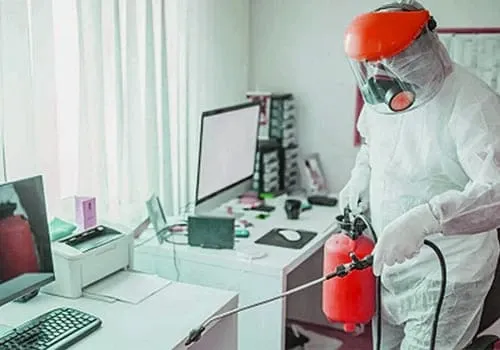
The defining challenge in a hotel is invisibility. Treatment cannot disrupt guests, and a technician in a corridor must look like maintenance, not pest control. A proper programme is built around that constraint:
- Plain, low-profile servicing. Technicians work in unbranded attire, on schedules that avoid peak guest movement, with no signage or chemical odour in guest areas.
- Systematic room inspections. Guest rooms are inspected on a rolling schedule — headboards, mattress seams, skirting and furniture joints — so bed bugs are caught at introduction, before they spread room to room.
- Back-of-house focus. Kitchens, laundries, refuse rooms, loading bays and service risers carry the highest pressure and get the closest attention.
- Targeted, not blanket, treatment. Sealed gel-bait in voids, mapped monitoring and UV fly traps replace visible spraying in any guest-facing space.
Bed bugs are the signature hotel risk because they travel in on luggage and clothing from anywhere in the world — no hotel is immune, and the only defence is early detection through routine inspection. The same biology that drives bed bug outbreaks in rentals and holiday homes applies in a five-star property; the difference is the speed and discretion of the response. Our full hotel pest control programme is designed around this room-by-room, guest-invisible model.
How do F&B outlets stay HACCP-compliant?
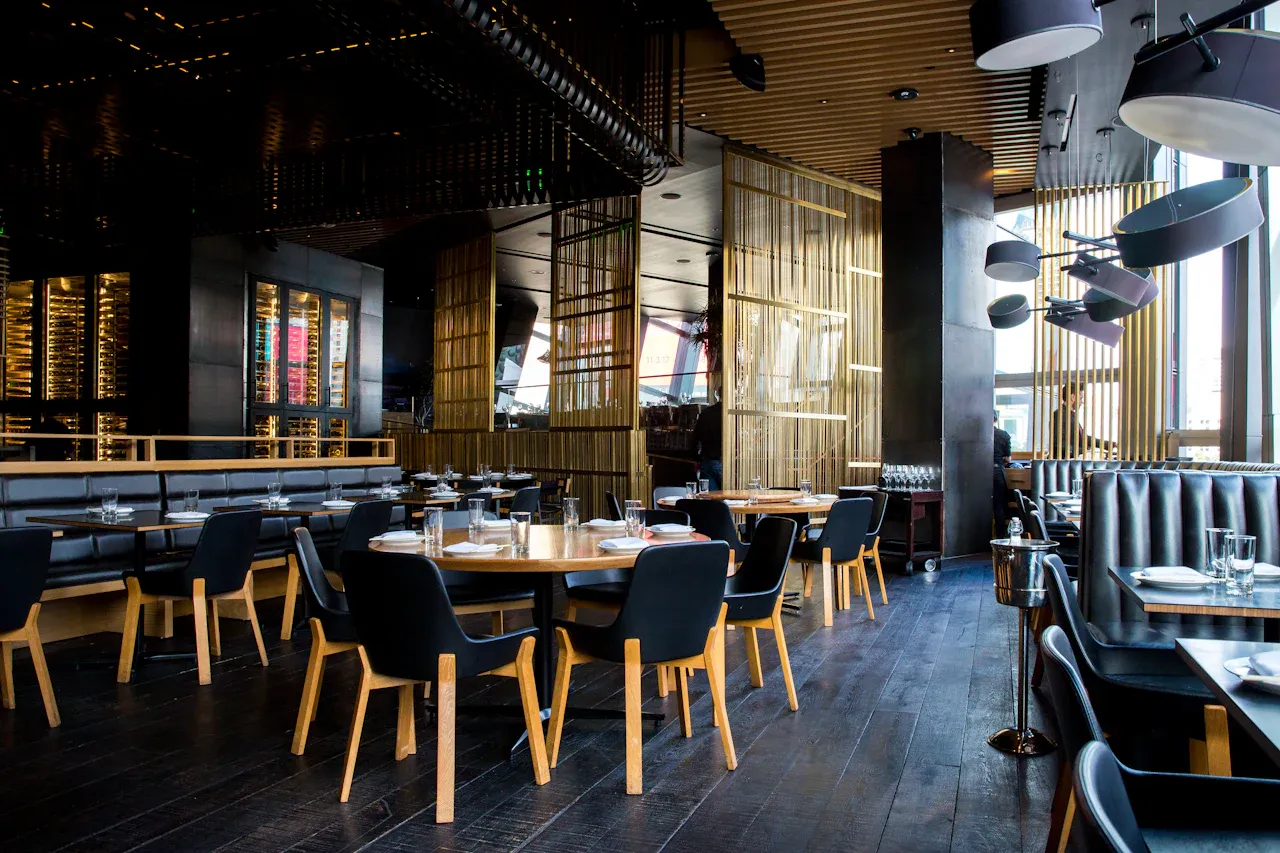
A hotel is also a cluster of food businesses — restaurants, bars, banqueting, room service and staff canteens — and each falls under the same municipality and HACCP expectations as a standalone restaurant. Inspectors want to see an active, documented programme, not a clean kitchen on the day.
| Area | Risk | Control |
|---|---|---|
| Main and outlet kitchens | Cockroaches, flies contaminating prep zones | Gel-bait in voids, UV fly traps, drain treatment |
| Banqueting & stores | Rodents and stored-product pests | Mapped station grid, sealed storage |
| Bars & room service | Fruit and drain flies in fixtures | Quarterly drain biofilm treatment |
| Refuse & loading areas | Entry point for rodents and flies | Perimeter stations, door proofing |
The documentation standard mirrors our restaurant HACCP guide: a current contract, the provider’s licence, a signed service log, product certificates with batch numbers, and a bait-station map with trend data — kept current and ready for inspection across every outlet.
Why does response time matter so much?
When a guest reports a pest, the clock is the enemy. Every hour that a complaint sits unaddressed is an hour the guest spends deciding whether to post a review. A hotel programme must include rapid complaint response — a target of two hours to attend, inspect, treat and reassure the guest, plus discreet relocation and a treated, verified room before it returns to inventory. After-hours availability is non-negotiable, because complaints rarely arrive at 10am on a weekday. Speed contains both the infestation and the narrative.
Why do confidential logs protect you?
Documentation in a hotel does double duty: it satisfies inspectors, and it protects the property in a dispute. Confidential service logs record every inspection, finding and treatment with dates and signatures — so if a guest ever claims a bite or an infestation, you can demonstrate a controlled programme and a documented response rather than negligence. That evidence trail is as valuable as the treatment itself, and it is exactly what a standing annual contract keeps live between scheduled visits. For a hotel, the file is part of your risk management, not just your compliance.
Frequently asked questions
Will guests know pest control is happening? No — that is the point. Technicians work discreetly in plain attire on low-traffic schedules, using sealed bait and monitoring rather than visible spraying in any guest-facing area. A well-run programme is invisible to guests.
How fast can you respond to a guest complaint? The programme is built around rapid response — a two-hour attendance target with after-hours availability — because containing the complaint quickly protects both the room and your rating.
A guest is threatening a bed bug review — what do you do? Inspect and treat the room immediately, relocate the guest discreetly, hold the room out of inventory until verified clear, and document every step. A fast, evidence-backed response is your strongest protection against both the infestation and the claim. See bed bugs in rentals and holiday homes for the biology behind why speed matters.
Why are hotel programmes more than a single call-out? A hotel programme covers the whole property — every guest room, all F&B outlets, back-of-house and the documentation file — which is why pricing typically starts from AED 5,000 per month. Set against the cost of a viral review or a compensation claim, it is inexpensive insurance.
Protect your rating before a guest does
We run discreet, documented pest programmes for hotels and resorts across the UAE — rolling room audits, F&B HACCP compliance, two-hour complaint response and confidential logs that protect your classification and your reviews.
Related reading: Restaurant pest control & HACCP in Dubai · Bed bugs in Dubai rentals & holiday homes · Do you need an annual contract (AMC)?