




Licensed in Dubai · serving Abu Dhabi
Our licensed team works from our office in Deira, Dubai and serves all 7 emirates, including Abu Dhabi.
Explore Abu Dhabi coverageAbu Dhabi's termite risk sits mostly with villas: walled compounds and family homes on the mainland, and garden villas on the islands, all surrounded by irrigated planting. Subterranean termites move through moist soil to door frames, skirting and garden timber long before damage shows.
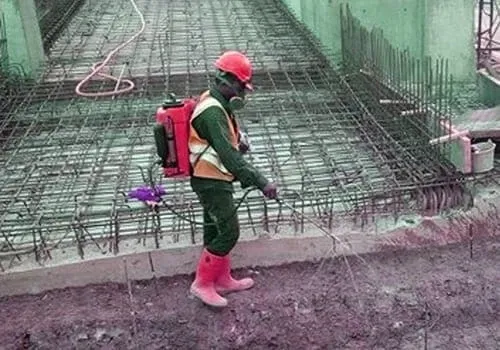
The capital is known for its irrigated parks, road verges and villa gardens. Drip lines and sprinklers that wet the soil against boundary walls and foundations create the damp conditions subterranean termites need, so point irrigation away from the house and fix leaking lines quickly.
Villas in walled compounds share boundary walls, gardens and soil. Termites found in one villa may be foraging under several plots, so it makes sense to inspect the neighbouring villas too and, where possible, treat the compound perimeter rather than one home on its own.
When gardens are re-landscaped or old trees removed, stumps, roots and buried timber are often left in the ground. Termites can feed on them for years and build up colonies right beside the villa, so remove stumps and building offcuts and never bury wood when replanting.
Subterranean termites that silently consume villa joinery, doors and skirting — typical UAE damage runs AED 50,000–150,000 before discovery. Soil-barrier treatment with an approved termiticide and a 5-year warranty.
See the full termite control guideSpecies, treatment steps, preparation, aftercare and FAQs.
Licensed in Dubai · serving Abu Dhabi
Our licensed team works from our office in Deira, Dubai and serves all 7 emirates, including Abu Dhabi.
Explore Abu Dhabi coverageEach community page covers its buildings, the pests they attract and local FAQs.
Local questions about termites in Abu Dhabi.
Free quote in 30 minutes. Same-day visits across Dubai, Sharjah, Abu Dhabi & every other emirate.