




Licensed in Dubai · serving Ras Al Khaimah
Our licensed team works from our office in Deira, Dubai and serves all 7 emirates, including Ras Al Khaimah.
Explore Ras Al Khaimah coverageIn Ras Al Khaimah, termites live in the soil of farms and palm groves on the plains below the Hajar Mountains, and in the gardens of villas across the emirate. We serve Ras Al Khaimah from our office in Deira, Dubai, with treatment for existing buildings backed by a 5-year warranty.
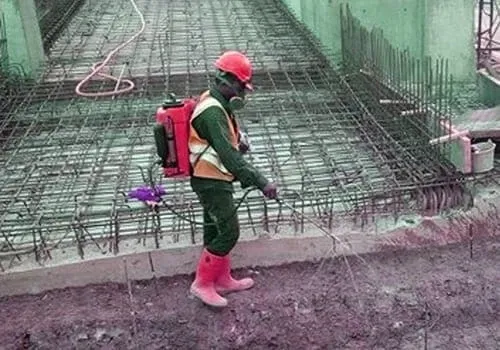
Dead palm fronds, old trunks, fence posts and timber in farm sheds give subterranean termites food close to the ground. Homes built beside farms and palm groves share that soil, so keeping a clear strip around the house, removing dead palm material and treating the soil around the walls protects the building.
Dried palm-frond shades and fences, timber majlis seating and wooden gates are all food for termites, and when they touch the soil or lean on a wall they can lead termites to the house. Standing them on concrete or metal bases and keeping them off the walls removes that bridge.
Villas in resort communities such as Al Hamra and Mina Al Arab are sometimes second homes that stand empty for weeks or months. With nobody there to notice mud tubes or a hollow-sounding frame, termites can work unseen, so an annual inspection of door frames, skirting and built-in cupboards catches activity before the damage becomes costly.
Subterranean termites that silently consume villa joinery, doors and skirting — typical UAE damage runs AED 50,000–150,000 before discovery. Soil-barrier treatment with an approved termiticide and a 5-year warranty.
See the full termite control guideSpecies, treatment steps, preparation, aftercare and FAQs.
Licensed in Dubai · serving Ras Al Khaimah
Our licensed team works from our office in Deira, Dubai and serves all 7 emirates, including Ras Al Khaimah.
Explore Ras Al Khaimah coverageLocal questions about termites in Ras Al Khaimah.
Free quote in 30 minutes. Same-day visits across Dubai, Sharjah, Abu Dhabi & every other emirate.