




- Pest Insights
- 21 January 2025
Clothes Moths & Pantry Moths in UAE Homes: Two Different Problems
Moths in the wardrobe eat fibres; moths in the pantry breed in your flour and rice. Same word, opposite problems. Here's how to tell them apart and stop both.
On this page
A moth in your wardrobe and a moth in your pantry are two completely different pests with two completely different fixes. Clothes moths eat natural fibres — wool, silk, cashmere — and leave holes in stored clothing. Pantry moths breed in dry food and leave webbing in your flour, rice and cereal. They share a name and not much else, so the first job is working out which one you have. Get that right and the solution is straightforward; get it wrong and you’ll treat the wrong room. Here’s how to tell them apart and stop both.
Clothes moths vs pantry moths: which do you have?
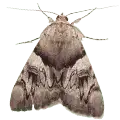
The fastest way to identify the culprit is by where the damage is, not by the moth itself — the adults look broadly similar and you rarely get a clear look.
| Clothes moth | Pantry moth | |
|---|---|---|
| Where you find it | Wardrobes, drawers, stored textiles, carpet edges | Kitchen cupboards, dry-food shelves |
| What it eats | Natural fibres — wool, silk, cashmere, fur, feathers | Flour, rice, cereal, pasta, nuts, dried fruit, pet food |
| The damage | Irregular holes in clothing, threadbare patches | Webbing and clumping in dry goods, larvae in packets |
| Tell-tale sign | Silken cases or “tubes” on fabric; larvae in dark folds | Fine webbing across food surfaces; small caterpillars on cupboard walls |
| Where they hide | Dark, undisturbed clothing you rarely wear | Inside and behind food packaging |
If the holes are in your jumpers, it’s clothes moths. If there’s webbing in the flour, it’s pantry moths. It’s also worth ruling out silverfish, which leave similar small holes in stored fabrics but are a humidity problem rather than a moth problem.
Why do moths get into UAE homes?
Both moths usually arrive, rather than appear:
- Pantry moths come in with the groceries. Eggs are frequently already present in dry goods — flour, grains, nuts, birdseed, pet food — when you bring the packet home from the shop. The warm cupboard does the rest.
- Clothes moths hitch in on textiles. Second-hand clothing, rugs, vintage items and stored seasonal wear can carry eggs or larvae. They thrive on garments left undisturbed in a dark wardrobe.
- Both love still, warm, dark conditions — exactly what a sealed cupboard or a packed wardrobe provides in the UAE, where rooms stay warm year-round.
Because the source is so often the supply chain, a single infested packet or one second-hand item can seed a problem in an otherwise spotless home.
How do you get rid of clothes moths?
Clothes moths are beaten by disrupting the larvae, which do all the actual eating:
- Freeze infested items. Sealing a garment in a bag and freezing it for several days kills eggs and larvae — ideal for items you can’t wash hot.
- Wash or hot-clean everything in the affected area. A hot wash or dry-clean kills all life stages on washable items.
- Empty and vacuum the wardrobe. Get into corners, seams, drawer runners and carpet edges where larvae shelter, then dispose of the vacuum contents.
- Store clean and sealed. Moths are drawn to body oils, sweat and food stains — always store clothes clean, in sealed bags or boxes for the off-season.
- Don’t rely on a single repellent sachet. Cedar and lavender deter but don’t eradicate an active infestation.
How do you clear pantry moths?
Pantry moths are beaten by finding and removing the breeding source:
- Inspect and bin infested food. Check every dry good — webbing, clumping or tiny caterpillars mean it goes. Don’t just remove the obvious packet; they spread between containers.
- Empty the cupboard completely. Larvae crawl out of food to pupate in cracks, corners and even the underside of shelves and the cupboard ceiling — so the food being gone doesn’t mean the moths are.
- Wash down every surface. Wipe shelves, cracks and hinges; vacuum corners and the lip under the shelf edge.
- Store dry goods in airtight containers. Glass or hard plastic with sealed lids stops both reinfestation from a hidden source and new moths getting in.
- Check pet food and birdseed — frequently the overlooked source that keeps a “solved” problem coming back.
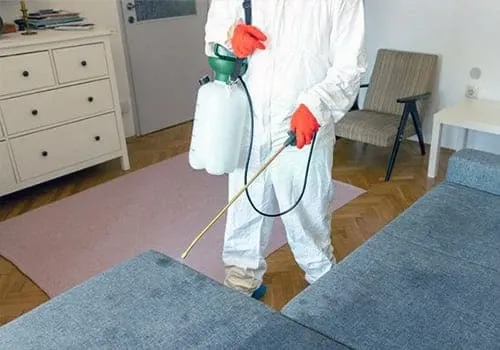
For a persistent infestation that survives a clear-out — or one spreading across multiple cupboards or units — professional moth control locates the breeding harbourage and treats the cracks and voids that a household clean can’t reach.
Is it a home problem or a stored-product problem?
Pantry moths are part of a wider category called stored-product pests — the insects that infest grains, flour and dry goods in bulk. In a home it’s an annoyance; in a business it’s a compliance and stock-loss issue. If you run a food-storage operation, the same moth that ruins a bag of home flour can spoil a pallet, which is why warehouse and cold-store pest control treats stored-product moths as a core target with monitoring and stock-rotation discipline. The home fix is a deep clean; the commercial fix is an ongoing programme.
Frequently asked questions
Are clothes moths and pantry moths the same insect? No. They’re different species with different diets — clothes moths eat natural fibres, pantry moths eat dry food. They share a name and a love of dark, undisturbed spaces, but the treatment for each is different, so identifying which you have is the first step.
Do moths in the kitchen come from the moths in my wardrobe? Almost never — they’re separate pests living on separate food sources. Finding moths in both rooms usually means two unrelated problems (or two different species), not one spreading between them.
Will mothballs solve the problem? Not on their own. Repellents like mothballs, cedar and lavender deter adults but won’t eradicate an active infestation of eggs and larvae. You have to remove the source — clean, freeze or treat — first.
How much does moth treatment cost in the UAE? A home moth treatment is priced as a general residential job; see our Dubai pest control price guide for apartment and villa ranges. Commercial stored-product programmes are quoted by floor area and visit frequency.
Stop both kinds of moth for good
Whether it’s holes in your cashmere or webbing in your flour, the fix starts with finding the source — and then treating the harbourage the clean-out misses. We handle clothes and pantry moths across all seven emirates, for homes and food-storage premises alike, with a warranty and products safe for kids and pets.
Related reading: Silverfish in UAE bathrooms & wardrobes · Warehouse & cold-store pest control · What pest control costs in Dubai