

- Pest Insights
- 30 June 2026
Should You Do Pest Control Before or After Moving Into a New Home?
The keys are yours and the movers are booked — treat now or wait? Short answer: before you move in. The empty window is the best time to treat a home, for both new builds and used rentals. Here's how to time it.
On this page
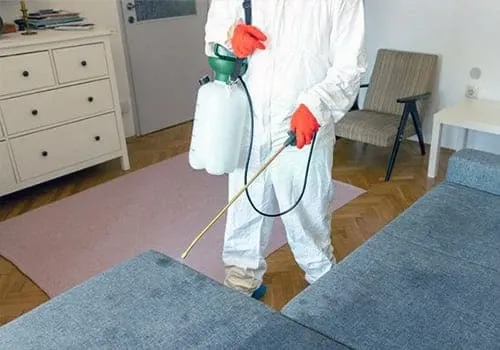
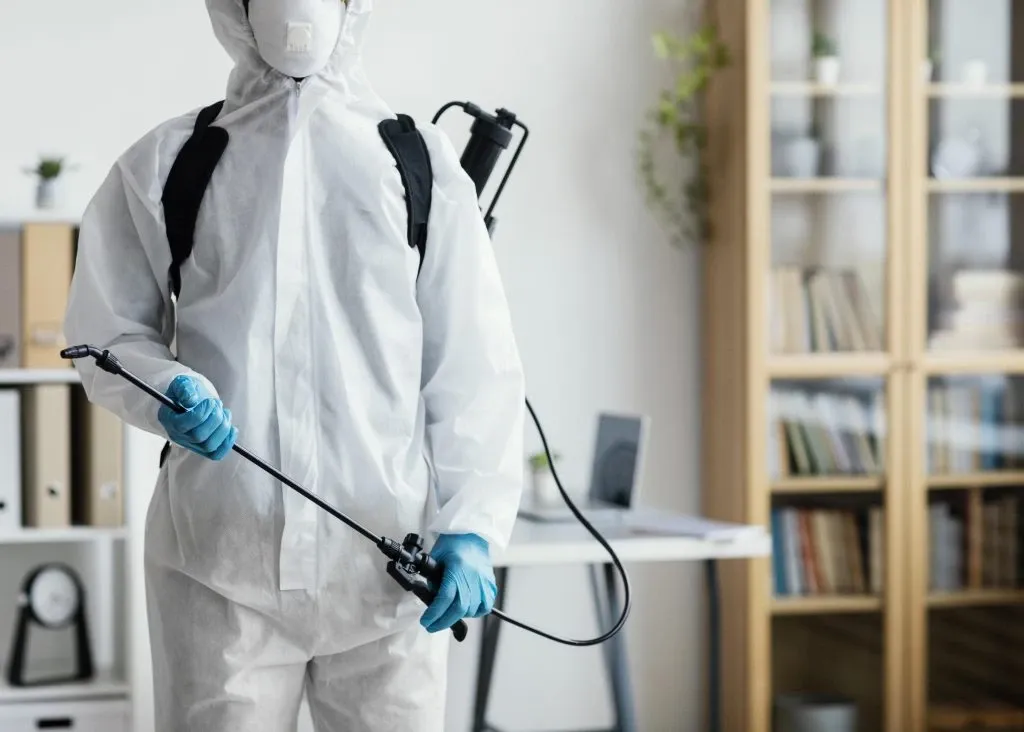
The keys are yours, the movers are booked, and somewhere on the to-do list is “sort out pest control.” Do you get it done now — or wait until you’re settled in? Do it before you move in. The empty window between getting the keys and moving your furniture is the single best time to treat a home: every wall, skirting board and cupboard is reachable, there’s nothing to work around, and the protective treatment is already down before you, your food and your family arrive. Treat after you’ve moved in and you’re working around the sofa, keeping kids and pets clear of treated areas, and possibly living with whatever the previous tenant — or the building site — left behind. Here’s how to time it.
The short answer
- Before — ideally right after handover/keys but before the furniture goes in. Empty means full access and protection from day one.
- It’s the same answer whether it’s a brand-new build or a used rental (for slightly different reasons — below).
- The one time you treat after: you’ve already moved in and discovered pests. Then it’s a reactive treatment — still effective, just less convenient.
Why “before” beats “after”
- Full access. An empty home lets the technician reach every skirting board, wall void, cupboard interior and corner. Once furniture, boxes and white goods are in place, a big share of those surfaces is blocked — and coverage drops with it.
- Protection from day one. A residual treatment plus basic proofing means the barrier is already working when you walk in with the first grocery bag. You get ahead of pests instead of reacting once they’ve settled.
- Zero disruption to your life. No clearing rooms, no keeping children and pets out of freshly treated areas, no cooking around it. Treat it empty, let it settle, move in.
- It lets you clean, treat, then move in — in the right order. The empty window is when to do your move-in deep clean and then the treatment — never the other way around, because cleaning after a treatment strips the long-lasting product (see should you deep clean before or after pest control).
New build vs used rental — both benefit
- New build / handover. Construction leaves open gaps — pipe and AC penetrations, service voids, unsealed entries — and the surrounding ground was recently disturbed, so soil-driven pests look for the nearest shelter. A quiet, empty new villa is exactly that. Our move-in pest proofing checklist walks through every gap to seal at handover.
- Used rental or resale. You inherit whatever the previous occupant left behind — cockroaches breeding in kitchen voids, or bed bugs in a bedroom that looks perfectly clean (a genuine risk in Dubai rentals and holiday homes — see bed bugs in Dubai rentals). A pre-move-in inspection and treatment means you’re not unpacking into someone else’s infestation.
The ideal sequence — keys to move-in
| Step | When | Why |
|---|---|---|
| 1. Keys / handover | Day zero | The empty window opens — use it |
| 2. Move-in deep clean | Before treatment | Clean first, so you’re not deep-cleaning after (which removes the product) |
| 3. Pest control — inspect, proof, treat | While empty, before furniture | Full access, and protection is down before you arrive |
| 4. Let it settle | A few hours (per technician) | Surfaces dry; safe, low-exposure re-entry |
| 5. Move the furniture in | After it’s dry | You move into a clean, treated, protected home |
When would you treat after moving in instead?
Booking before is the ideal, not the only option:
- You’re already in and you’ve spotted pests — roach sightings, droppings, or bites overnight. Don’t wait for the “perfect” time; book a reactive treatment now.
- Ongoing protection — beyond the one-off move-in treatment, an annual pest control contract keeps the barrier maintained through the year, which matters most in a new community while the surrounding plots are still settling.
- You can’t empty the place — that’s fine. Just declutter, clear access under sinks and along walls, and the technician works around what’s there.
What to book for a move-in
- A full inspection + entry-point audit — inside and out.
- A perimeter / residual treatment to put a barrier down before pests establish.
- A termite check, especially for villas and ground-floor units — cheap insurance against a costly structural problem.
- Targeted treatment for anything the inspection finds (previous-tenant roaches, ants from disturbed ground, etc.).
Frequently asked questions
Should I do pest control before or after moving in? Before — ideally in the empty window after you get the keys and before the furniture arrives. You get complete access and the protective treatment is working from your first day in the home.
It’s a brand-new apartment — do I really need it? It’s worth it. A new tower still has shared risers, service voids and a fresh crop of construction gaps, and apartments benefit from door-seal, kitchen and bathroom proofing. Villas carry a heavier load (garden, perimeter, termite risk) and benefit even more.
Is it safe to move in right after a treatment? Yes. We use municipality-approved, low-exposure methods with clear re-entry guidance — usually you’re clear once treated surfaces are dry, often just a few hours.
I’m renting a flat that looks spotless — is it still worth treating first? Yes. “Looks clean” doesn’t rule out cockroaches in the voids or bed bugs in a bed frame — the two pests you’re most likely to inherit from a previous tenant, and the two you least want to discover after unpacking.
How much does a move-in treatment cost? It scales with size, like any job: apartments generally run AED 150–400 and villas AED 400–800+, with a termite inspection AED 250–400 on top if you want one. Treating an empty home is cheaper and more thorough than a reactive job later — see what pest control costs in Dubai.
Treat it empty, move in protected
The best time to protect a home is before you’re living in it. Book pest control for the empty window between your keys and your furniture: the technician reaches everything, you skip the disruption, and your first night is in a clean, treated, protected home rather than someone else’s leftover pest problem. Clean it, treat it, then move in — in that order.
PestMan is Dubai Municipality–approved and works to an IPM method across all seven emirates. Tell us your new address and the date you get the keys, and we’ll fit the treatment into your move.
Related reading: Move-in pest proofing checklist for new Dubai homes · Deep clean before or after pest control? · Bed bugs in Dubai rentals & holiday homes · What pest control costs in Dubai