

- Pest Insights
- 15 June 2026
Do I Need Fumigation? Spray vs Gel vs Fogging Explained
Most UAE homes never need true fumigation. Here's what gel, spray, dusting, fogging and real fumigation actually do — and how a pro picks the right one.
On this page
- 01What people mean by "fumigation" (and what it really is)
- 02The treatment methods, side by side
- 03Which method matches which pest?
- 04Do I ever actually need real fumigation?
- 05How a professional decides — and why DIY guesses wrong
- 06One rule that decides whether it works: clean before, not after
- 07Frequently asked questions
- 08The short version
If you’ve asked for “fumigation” for your Dubai apartment, you almost certainly don’t need it. True fumigation — sealing a space and filling it with gas — is a specialised treatment reserved for stored goods, shipping containers and a few severe, contained infestations. For an ordinary home or office, the right treatment is a targeted mix of gel bait, residual spray, dusting and (for flying pests) fogging. “Fumigation” has become a catch-all word customers use for “please treat my home,” but the method that actually solves your problem depends on the pest — and picking that method is exactly what Integrated Pest Management (IPM) is for.
What people mean by “fumigation” (and what it really is)
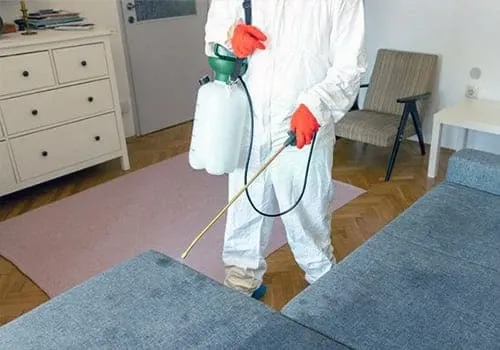
In everyday UAE conversation, “fumigation” usually just means “send someone to spray my place.” That’s harmless as shorthand — but it matters when you’re comparing quotes, because a company charging you for “fumigation” on a two-bedroom flat is either using the word loosely or selling you something you don’t need.
Real fumigation is a defined process: the space is sealed (or tented), a fumigant gas is released to penetrate everything, held for a set exposure period, then ventilated and cleared before anyone re-enters. It’s powerful because gas reaches places sprays can’t — inside grain, timber, packed commodities. It’s also disruptive, requires the area to be vacated, and is overkill for a flat with a roach problem. That’s why it’s mostly seen at ports, warehouses and food-storage facilities, not in residential towers.
The treatment methods, side by side
A professional doesn’t pick one “best” method — they combine the ones that match your pests. Here’s what each does and when it’s the right tool.
| Method | What it is | Best for |
|---|---|---|
| Gel bait | Small, targeted dots of bait insects eat and carry back to the nest | Cockroaches, ants — low-odour, safe indoors, no need to vacate |
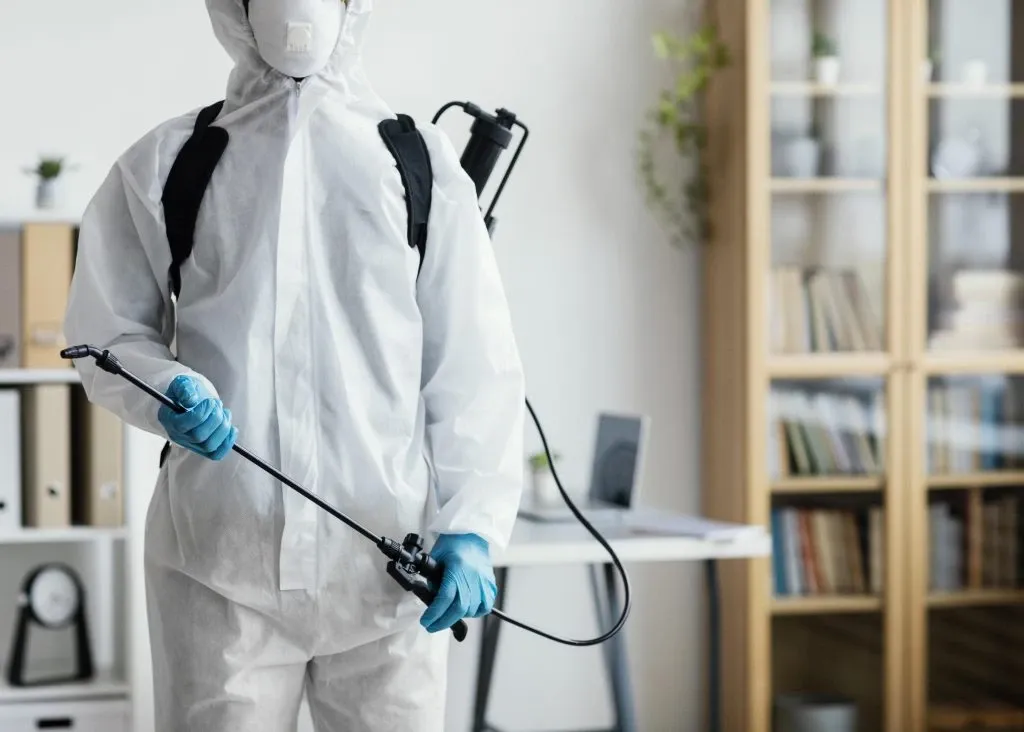
| Residual spray | A long-lasting liquid film along edges, skirting and entry points | Crawling insects and a perimeter barrier around the home |
| Dusting | Fine powder puffed into wall voids, sockets and cavities | Hidden harbourages sprays can’t reach |
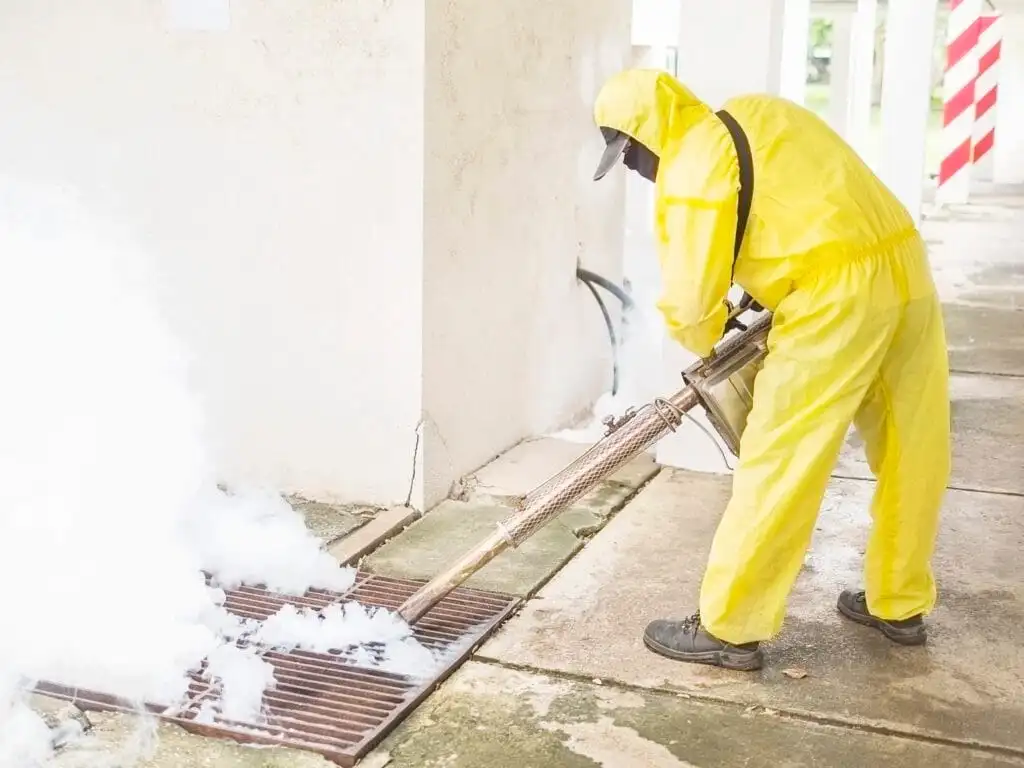
| Fogging / misting | A fine airborne mist that knocks down flying insects fast | Mosquitoes, flies — quick knockdown, but short residual |
| Heat / steam | Controlled high heat or steam that kills at all life stages | Bed bugs, including eggs |
| Soil barrier / injection | Termiticide injected into soil or drilled points | Termites — protecting the structure |
| True fumigation | Sealed/tented space filled with fumigant gas | Stored commodities, containers, rare severe cases — not routine homes |
Which method matches which pest?
The honest answer to “what treatment do I need?” is: it depends entirely on what you’re dealing with.
- Cockroaches. Gel bait is the hero here — precise dots in the cracks and voids where roaches live, carried back to wipe out the nest, with almost no odour and no need to leave the house. A residual spray and dusting support it. Blanket-spraying a kitchen is actually worse; it can scatter the colony. See cockroach control for how this works in practice.
- Mosquitoes and flies. This is where fogging earns its place — a fast knockdown of adults in gardens, majlis areas and around villas. But fog has short residual, so it’s paired with source reduction (removing standing water) and larvicide for lasting control. See mosquito control.
- Termites. Neither spraying nor fogging touches a termite colony. The answer is a soil barrier or injection with a proven termiticide that protects the structure for years — see termite control. This is closer to what people imagine “fumigation” does, but it’s a targeted chemical barrier, not gas.
- Bed bugs. Heat and steam reach the seams, frames and eggs that sprays miss, usually alongside a targeted residual product. See bed bug treatment.
- Ants. Gel bait again, matched to the species, so the colony carries it home.
The common thread: the pest determines the method, and most homes get a combination — never a gas fumigation.
Do I ever actually need real fumigation?
Rarely, for a home. True fumigation makes sense when the infestation is inside something a spray or fog can’t penetrate — stored grain, packed furniture in a sealed container, timber shipments, or a severe, contained commodity problem. Even then, it’s a regulated, vacate-the-area job with strict re-entry rules, not something dropped on a lived-in flat.
If a company tells you your standard apartment or villa “needs fumigation,” ask them to name the pest and explain why a targeted IPM programme won’t do. In the vast majority of homes, it will — for less money, less disruption, and without leaving your home for the day. (Whether you need to step out at all is usually a short-and-simple answer, covered in our guide on leaving the house during treatment.)
How a professional decides — and why DIY guesses wrong
Under IPM, the technician identifies the species first, then chooses the method that reaches where that pest actually lives and breeds. That’s why the same company might gel-bait one kitchen, fog one garden, and inject soil around one villa in a single week — three different problems, three different tools. It’s also why buying one product off a shelf so often disappoints: a can of flying-insect spray does nothing for a roach colony in a wall void. We cover that gap in DIY vs professional pest control.
Food businesses have their own layer on top of this — HACCP-driven programmes lean heavily on gel bait and monitoring rather than heavy spraying near food-prep zones. If that’s you, see restaurant pest control and HACCP in Dubai.
One rule that decides whether it works: clean before, not after
Whatever method is used, one thing quietly makes or breaks the result: deep clean your home before the treatment, not after. Gel bait dots and residual spray are designed to keep working for weeks along skirting, edges and cracks. If you mop or scrub those treated zones the next day, you strip the product off and the pests come straight back — then it looks like the treatment “failed.”
So: clean thoroughly beforehand, and after treatment leave the treated edges and bait dots alone for about two weeks. Wiping food-prep surfaces and doing normal open-floor cleaning is completely fine. And with cockroaches, expect to see more of them for a few days after — that’s the bait pulling them out of hiding and working, not a sign anything’s wrong.
Frequently asked questions
Is fumigation necessary for my apartment or villa? Almost never. True gas fumigation is for stored goods, containers and rare severe cases. A normal home is treated with a targeted mix of gel bait, residual spray, dusting and — for flying pests — fogging. If a company insists your flat “needs fumigation,” ask them to justify it.
What’s the difference between fumigation and normal pest control? Fumigation seals a space and fills it with gas to penetrate things sprays can’t, like grain or packed timber. Normal pest control uses targeted methods — bait, spray, dusting, fogging — applied to where each pest lives. Most customers who say “fumigation” actually mean a standard targeted treatment.
Fogging vs spraying — which do I need? Different jobs. Fogging is a fast knockdown for flying insects like mosquitoes and flies, but it fades quickly. Residual spray leaves a long-lasting barrier for crawling insects. For roaches, gel bait usually beats both. A pro often uses more than one on the same visit.
Do I need to leave my home during treatment? For most gel-and-spray treatments, no — the products are municipality-approved and safe once dry. Some treatments or heavier jobs warrant stepping out for a couple of hours. True fumigation always requires vacating the space. See our full guide on leaving during pest control.
Are these treatments safe for kids and pets? Yes, when applied correctly and left to dry. Gel bait is placed out of reach, and residual sprays are safe once dry. We cover this in detail in pet-safe and child-safe pest control.
The short version
You almost certainly don’t need fumigation. You need the right method for your pest — gel bait for roaches and ants, spray and dusting for crawling insects and hidden voids, fogging for mosquitoes and flies, heat for bed bugs, a soil barrier for termites. Picking and combining those correctly is the whole point of a professional IPM visit, and it’s cheaper and less disruptive than the gas treatment people imagine. Tell us the pest and we’ll tell you exactly what it takes — no upselling, quote in 30 minutes.
Related reading: DIY vs professional pest control in the UAE · Do I need to leave the house during pest control? · Pet-safe and child-safe pest control · Restaurant pest control and HACCP in Dubai