




- Pest Insights
- 28 June 2024
Ticks & Fleas: Protecting Pets in UAE Villas
If you have a dog and a garden in the UAE, ticks and fleas are a when-not-if. Here's how they get in, why treating the pet alone never works, and the three-front fix.
On this page
Treating the pet alone is why your tick and flea problem keeps coming back. The animal is only one of three places these pests live — the other two are your home and your garden, and they hold the eggs and the next generation. If you have a dog and a garden in the UAE, ticks and fleas aren’t an if, they’re a when, and clearing them means hitting all three fronts at once. Here’s how they get in, the signs to watch for, the health risk that makes them worth taking seriously, and the three-front treatment that actually works.
Why are ticks and fleas so common in UAE villas?
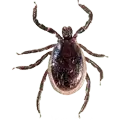
It comes down to the brown dog tick and the UAE’s climate. The brown dog tick is unusual: unlike most ticks it’s perfectly happy living and breeding indoors and in built environments, which means it doesn’t need open countryside to thrive — a villa with a garden, a kennel or a shaded patio is ideal. Combine that with year-round warmth, irrigated greenery and pets that come and go, and you have the conditions for a self-sustaining population.
Fleas follow the same logic. They breed explosively in warm, humid conditions, and the bulk of a flea population isn’t on your pet at all — it’s eggs, larvae and pupae dropped into carpets, pet bedding, soft furnishings and shaded garden soil. That’s the single most important fact about flea control, and the reason a flea collar alone never finishes the job.
This is a classic villa pest control challenge — gardens, pets and multiple living zones give ticks and fleas far more harbourage than an apartment ever could.
How do ticks and fleas get into your home?
They arrive on movement and shelter in the spots you don’t think to check:
- On the dog itself — picked up from the garden, a walk, a park or contact with another animal
- In the garden — shaded soil, lawn edges, leaf litter, kennels and under decking hold eggs and larvae
- In pet bedding and soft furnishings — the warm, undisturbed places larvae develop
- Along skirting, cracks and carpet edges — where brown dog ticks famously climb walls and gather in corners
- From visiting or stray animals — a neighbour’s dog or a community cat can reseed your garden
Because the population is spread across the pet, the home and the garden simultaneously, focusing on just one of them simply leaves the other two to repopulate it.
What are the signs — and the health risks?
Catch them early by watching both your pet and your home:
- Excessive scratching, biting or licking — especially around the base of the tail, belly and behind the ears
- Visible ticks — pea-sized when engorged, attached at the ears, neck, between toes and in skin folds
- “Flea dirt” — black, pepper-like specks in the pet’s coat or bedding that turn rusty-red on a damp tissue
- Tiny dark insects moving fast through the fur, or hopping in carpets and bedding
- Bites on people — usually small, itchy spots around the ankles and lower legs
The health stakes are real. Ticks can transmit diseases to dogs — including tick fever — and heavy infestations cause anaemia in pets, particularly puppies. Fleas cause allergic dermatitis and can carry tapeworm. For the household, both bite people, and the irritation and worry add up fast. This is a problem worth solving properly, not patching.
The three-front fix: pet, home and garden together
Effective tick and flea control means treating all three reservoirs in the same window so none of them reseeds the others:
- The pet — your vet’s territory. Vet-prescribed spot-ons, tablets or collars treat the animal. This is essential, but on its own it only addresses the minority of the population living on the dog at any moment. We don’t treat animals — your vet does — but our work is timed to work alongside it.
- The home — interior treatment. A residual treatment of carpets, skirting, cracks, pet bedding areas and soft-furnishing zones tackles the eggs, larvae and adults living indoors, including the wall-climbing brown dog ticks.
- The garden — the source most people skip. Treating shaded soil, lawn edges, kennels and patio harbourage breaks the outdoor breeding cycle that keeps reinfecting the pet every time it goes out.
Skip any one front and the cycle restarts. That’s the entire reason pet-only treatment fails — and why professional tick and flea control is built around the home-and-garden side that your vet’s products were never designed to reach.
Why does treating the pet alone fail?
Because the maths is against it. At any given time, the adult fleas and ticks on your pet are the minority of the total population — the majority sits as eggs, larvae and pupae in your carpets, bedding and garden soil, waiting to mature. Treat only the pet and that hidden reservoir simply hatches, climbs back aboard, and you’re back where you started within weeks. The pet treatment is necessary; it’s just not sufficient on its own.
Frequently asked questions
Can I get rid of fleas just by treating my dog? No. Most of a flea population lives as eggs and larvae in your home and garden, not on the pet. Treating only the animal leaves that reservoir to hatch and reinfest within weeks. You need the pet, the home and the garden treated together.
Do brown dog ticks live indoors? Yes — that’s what makes them unusual and stubborn. Brown dog ticks happily breed indoors, climbing walls and gathering along skirting, in cracks and in corners. It’s why indoor treatment is a core part of the fix, not an optional extra.
Is tick and flea treatment safe for my pets and kids? Yes — our treatments use products applied as part of an integrated approach that’s safe for children and pets once dry. We coordinate timing so your vet handles the animal directly while we treat the home and garden.
How long before ticks and fleas come back? With all three fronts treated and your vet’s preventative kept up, you break the cycle. Treatment is backed by a warranty — for ticks and fleas the relevant cover is the 90-day window that applies to this kind of recurring outdoor-linked pest. Keeping the garden maintained and the pet’s preventative current is what holds it long-term.
Protect your pets and reclaim the garden
Ticks and fleas don’t respond to half-measures. Treat the pet, the home and the garden in the same window and you break the cycle for good. We handle the home-and-garden side across all seven emirates — same-day in Dubai, Sharjah and Abu Dhabi — with products safe for kids and pets and a warranty.
Related reading: Mosquitoes in Dubai gardens · Snakes & scorpions on the desert edge · What pest control costs in Dubai